
Originally published on LabourList.
British right-wing political party Reform’s call to bring back coal mining initially seems absurd. British coal jobs peaked more than a century ago as mines were exhausted, machines replaced labour, and cheaper fuels emerged. Coal mining has represented less than 0.1% of the UK workforce since 1993. Yet as Labour, the governing party, mourns the loss of Caerphilly in the heart of the South Wales coalfields and develops its Green Jobs plans, it could learn something from Reform’s ill-conceived proposal. The appeal isn’t about coal jobs themselves, but coal culture.
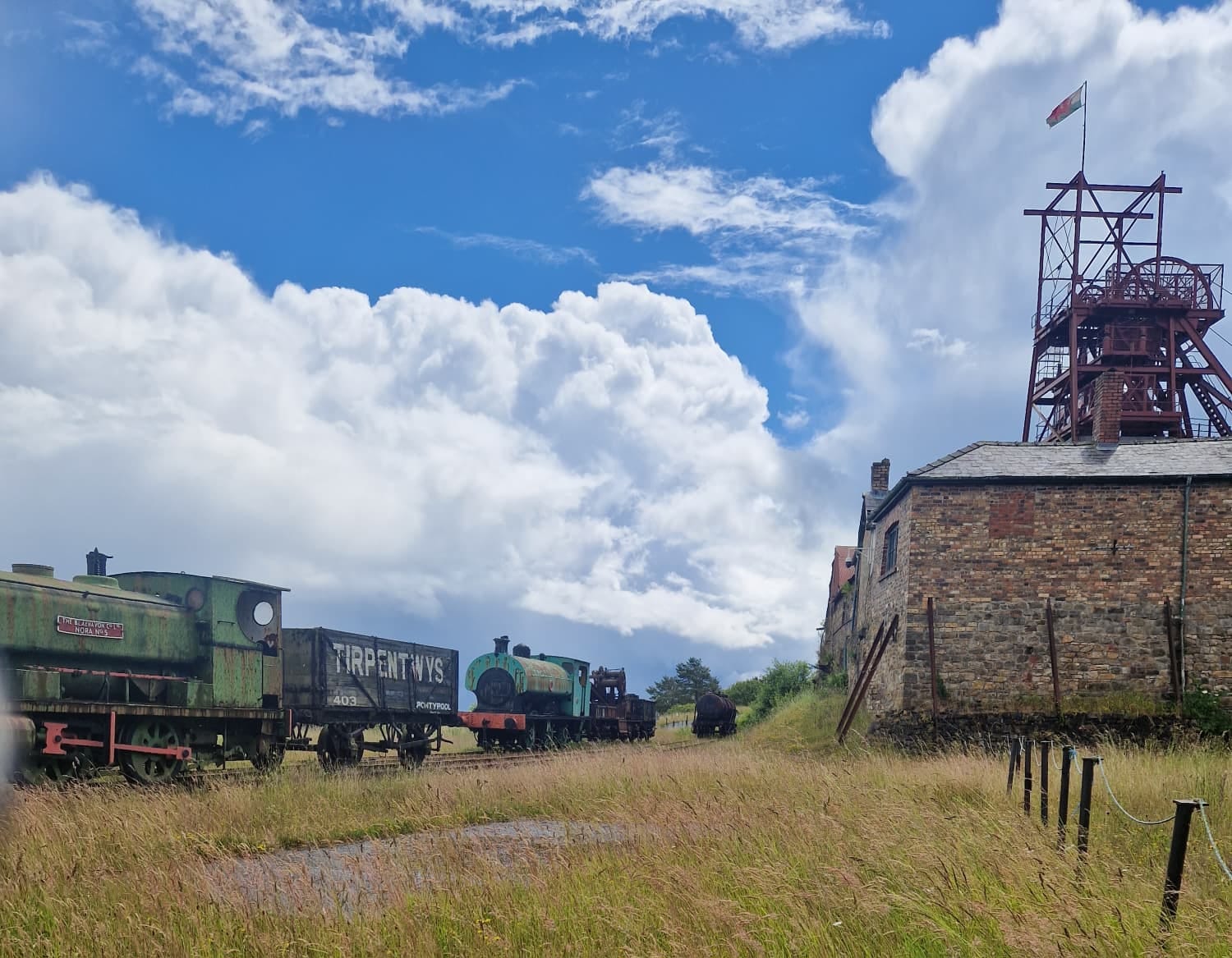
Coal culture is shared across countries as different as China, the US, the UK and India. At any of their coal museums, heroic workers are depicted powering their nations and fighting for their rights. Workers are shown as a driving force for their country’s union movements, protesting against their coal bosses for better work conditions and pay.
Conditions were tough, with accidental death and health problems common among miners and nearby residents. Regardless, the extended members of the community are shown supporting the miners, even recording the cuisine wives prepared for miners’ lunchboxes. Every museum eventually tells the same story of communities in decline, driven by rising mechanisation. The UK’s story is unusual in its speed and finality. Elsewhere, production rose even as the workforce shrank.
Coal is a harder industrial transition than most. Coal communities typically formed around the geological resource, with mining driving almost all the jobs in that area. Migration supported the growth of these communities, making them some of the more diverse regions of Britain. Everyone worked for the same employer – the colliery – or else provided services to miners and their families, instilling a strong sense of community. In coal regions, a large employer like a manufacturing facility could sometimes absorb unemployed workers as mines closed. In many cases, workers were redistributed across a multitude of sectors and small businesses and often needed to move if they wanted to work. As of 2022, almost one in seven employees in former coalfields commute out of the area for work, according to the Coalfields Regeneration Trust.
Labour’s 400,000 Green Jobs plan is ambitious, but place-based transitions are hard. In cities, job losses are easier to absorb because there is enough overlap in infrastructure and skills with other sectors. Once jobs go away in single-employer areas, communities gradually hollow out. Decline in sport, religious practices and public services compound this loss. Few jobs outside of the military can now offer the same culture of heroism and camaraderie as working down the mines. Green jobs alone cannot fill this void.
This opening has been exploited by right-wing politics, even while coal was once a symbol of the Labour movement. The right has turned net zero into a scapegoat for decades of industrial decline even when technological progress played a role long before the climate movement gained traction. What Reform gets right about coal is their attention to bringing back a profession defined by heroism, close-knit communities, and opportunities for work that don’t require a university degree.
Labour has the chance to combine its jobs agenda with a renewal of professional and civic pride. Labour’s Green Jobs already outnumber any employment that coal could conceivably provide, and energy workers shouldn’t need to risk their lives to feel valued and important to the economy. The Green Jobs plan rightly focuses on training, but it could go further to bring back community spirit and purpose. Skills programs could be paired with group projects that support cleantech upgrades for youth clubs, sports facilities, and religious and public buildings. Every new solar or wind project could be tied to investment in community infrastructure, like a tech or apprenticeship hub or reviving the high street. Linking green industry to local, visible renewal could make climate policy feel like a national service in addition to a job creator.
Coal once gave people pride in powering the nation. Labour’s task is to make the clean energy revolution feel just as heroic, not just because it makes our air cleaner and our bills cheaper but because it restores dignity, skill, and community in the places that need it most.